






It is common to hear people say that we are mailing by courier or sending a courier via mail service when, most of the time, they are not even well aware that these two terms are actually different. Yes, when you are sending a parcel, you need to select one of these shipping modes- mail services and courier services as per your requirements.
What Are Mail and Courier Services?
Mail Services
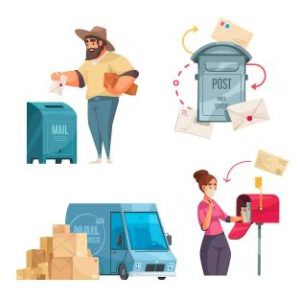
The traditional postal system we used to follow before, where people sent letters, packages, and more, is what we call the Mail services. These are not private shipment services and are instead handled by government institutions and organizations. United States Postal Service (USPS), Australia Post, and India Post are some mail service options. However, shipment via mail services is considered slower, so if you are looking for a cost-effective shipping option and do not need the items to be shipped ASAP, then give this a try.
Courier Services

The courier services are the private shipment options for the people and are not run by the government in any way. Using courier services, you can get your items delivered quickly and safely. Some well-known Courier services include the DTDC, FedEx, DHL, and the Blue Dart. Using these services can provide you with additional supportive features like tracking, parcel insurance, customer support, etc.
Key Differences Between Mail and Courier Services
- Speed: Courier services are faster, often offering same-day or next-day options, while mail services can take days or weeks.
- Reliability: Couriers provide tracking and secure handling, whereas mail services have limited tracking.
- Cost: Mail services are generally cheaper, particularly for standard deliveries.
- Coverage: Mail services typically have a broader reach in rural or remote areas.
- Customization: Couriers offer tailored solutions like bulk shipping or handling fragile items, which are rarely available with mail services.
Benefits of Mail Services
Cost-Effectiveness for Standard Deliveries
For individuals and small businesses, mail services are a budget-friendly option, especially for non-urgent items. Standard rates make them accessible for sending letters, documents, or small parcels.
Wide Reach
Mail services, often run by governments, have extensive networks that cover even the most remote areas, both domestically and internationally. This makes them ideal for reaching distant locations where courier services might not operate.
Benefits of Courier Services

Speed and Reliability
Courier services excel in delivering parcels quickly. For time-sensitive deliveries, such as legal documents or perishable goods, couriers provide unmatched speed and reliability.
Tracking Options and Security
With courier services, you can rest assured that your sensitive or fragile items will be handled with care till they reach their destination. Also, Tracking options provided by the courier companies will help you keep an eye on your shipment in every aspect.
How to Choose Between Mail and Courier Services
Urgency
If speed is critical, courier services are the better choice. For less urgent deliveries, mail services can save costs.
Type of Item
For lightweight, standard items like letters or documents, mail services are sufficient. However, for heavy, high-value, or fragile items, couriers are more reliable.
Cost
Assess your budget. While mail services are economical, courier services provide added benefits for a higher price. Compare both options to determine the best fit.
Common Use Cases for Mail and Courier Services
Mail Use Cases
- Sending letters or greeting cards
- Mailing official documents like tax forms or certificates
- Distributing magazines or newsletters
Courier Use Cases
- Delivering urgent legal papers
- Shipping high-value items like electronics
- Transporting perishable goods with specialized handling
Tips for Saving Costs on Mail and Courier Services
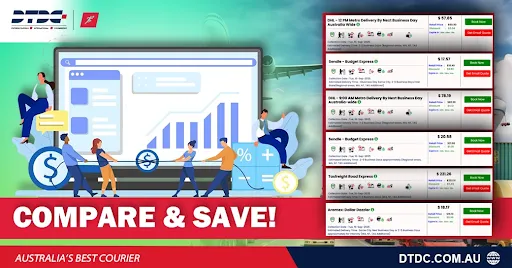
Compare Providers: Whether using mail services or courier services, comparing rates and features across providers can help you find the most cost-effective option.
Use Bulk Shipping Discounts: Many courier services offer discounts for bulk shipments, making it economical for businesses with high shipping volumes.
Optimize Packaging: Ensure that your packaging is compact and lightweight. This reduces shipping costs for both mail services and couriers.
Conclusion
Whether it is Mail Services or Courier Services, both have their specific benefits and shortcomings that we discussed above in detail. Which option is better between them will depend on your shipment requirements and service factors. Considering these can help you choose the better service for you.
Frequently Asked Questions
What is the difference between mail and courier services?
Mail services are a better option for standard deliveries or shipping that does not require urgent deliveries. This is slightly cheaper than courier, however, also takes a long time to ship. If you are shipping some significant items that need proper care during transit and need to be delivered fast and securely, then Courier service is the ultimate choice.
Which is cheaper: mail or courier?
Mail services are generally cheaper than courier services, especially for standard, non-urgent deliveries. They may take longer to deliver but will not cost you much.
How do I track my courier package?
An amazing benefit of choosing courier companies for shipment is that you can track your packages till they reach your doorstep. Almost every courier company lets you track your parcel by providing you with a tracking number for real-time updates. You can track via their tracking page or the tracking link they send to your email or number.
What does it mean to mail by courier?
Mailing by courier refers to using a courier service to send items instead of the traditional postal system.
What is mail and courier used for?
If you need to send some standard packages or letters or documents, you can go for the Mail service; however, if you are shipping fragile items or have urgent packages to deliver, then the Courier service can be a great help.
Mail vs. Courier for Canada Passport
For your Canadian passport delivery, the courier services are often preferred due to their speed and security.
Postal Mail vs Courier for WES (World Education Services)
WES recommends using courier services for faster and more secure document delivery. Especially for your international shipments.