





When you’re importing goods, you want the process to be simple, predictable and without hidden charges involved. That’s precisely why a lot of importers like to do DDP shipping – a type of shipping where the seller does almost all the work for you. It minimises your risk, saves your time and allows you to concentrate on your business and not on customs paperwork.
But DDP can also be confusing if you’ve never used it before. You might be left wondering what is DDP shipping, how does it work, or should I be using it for my next import? This guide guides you through everything you need to know about DDP shipping.
What Is DDP Shipping?
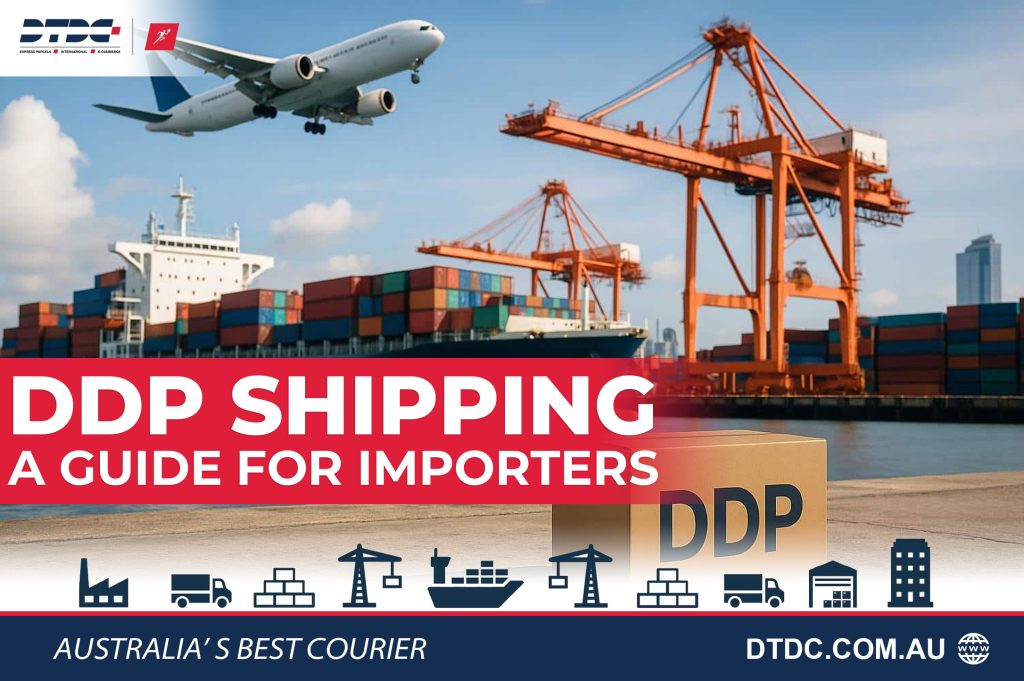
DDP shipping, or “Delivered Duty Paid”, is an international shipping term where the seller takes responsibility for the entire delivery process until the goods are at your doorstep. This includes freight, customs clearance, duties and taxes. For you, as the buyer, the process seems to be seamless because nearly all the responsibilities remain with the seller.
For those who prefer to have a predictable landed cost, DDP shipping is potentially one of the most convenient methods. You get the goods without having to worry about import charges or local documentation. This makes DDP popular among new importers, small businesses, and those who want a stress-free experience of shipping.
Now, let’s break down what DDP really is from a shipping standpoint.
What Does DDP Mean in Shipping?
If you’ve been looking for “what does DDP mean in shipping”, here’s the simplest explanation: DDP means the seller is totally responsible for the delivery of the goods to you after he has taken care of all the formalities related to the import. It’s one of the most buyer-friendly Incoterms because the seller has maximum responsibility.
In shipping terms, DDP means the seller pays duties, taxes and customs fees, and often even last-mile delivery charges. As the buyer, you receive the shipment without having to deal with anything. This makes it easy to avoid unexpected charges that are common for cross-border imports.
Now that you know what it means, it is important to learn about how a DDP shipment is actually transported from seller to buyer.
How DDP Shipping Works
The DDP shipping process has a clear flow that allows all of the responsibilities to remain with the seller. You simply receive the shipment, and the seller takes care of the logistical and regulatory tasks behind the scenes.
Here’s the general step-by-step process of shipping DDP:
- Order placement – You place the order, and the seller selects a DDP-compliant shipping method.
- Export formalities – The formalities of export are completed, and the cargo is handed over to the carrier by the seller.
- International transport – The seller bears the costs of freight and insurance (if included).
- Import clearance – The seller arranges for the preparation of customs documents, payment of duties, and compliance with regulations.
- Delivery to buyer – Once the goods are cleared, they are delivered to your warehouse, office or home.
With the learnings of the process, let’s break down the exact responsibilities that the seller takes on under DDP terms.
Seller Responsibilities Under DDP Shipping Terms
Under DDP shipping terms, most of the responsibilities are on the seller. They are required to handle the export procedures, transportation, and all the duties of imports until final delivery. This involves preparing all documentation and organising with customs in your country.
The seller is also responsible for the payment of import duties, tariffs and taxes before the goods enter your destination. This way, you get a fully custom cleared shipment without any additional charges. Many sellers use freight forwarders or third-party logistics providers to meet these obligations without any disruption.
Knowing what the requirements are for the seller helps you to understand where your role fits in the shipment.
Buyer Responsibilities Under DDP Shipping
Even though DDP is buyer-friendly, there are still a few responsibilities for you. You would need to provide the correct delivery details and make sure that the local authorities have no documentation requirements from your end. Inaccurate information can result in delays or extra charges.
You are also responsible for accepting the goods at the agreed place and checking them when they arrive. Although it is the seller who handles most aspects, your cooperation helps to avoid any miscommunication or complications with delivery.
With roles clearly defined, the next question is: who exactly gets the most out of DDP?
Who Benefits from DDP Shipping?
DDP shipping is beneficial for those buyers who desire a stress-free and predictable importing experience. If you don’t want to deal with customs processes and unexpected taxes, DDP saves you time and work. It is also useful for small businesses that do not have import experience or international logistics networks.
Sellers also gain from offering DDP as it enhances customer satisfaction and improves the chances of repeat customers. However, they must ensure that they understand the import rules of the buyer’s country so that they can avoid complications.
Now let’s consider the good and bad sides so that you can make a better decision on whether DDP is right for you.
Pros & Cons of DDP Shipping
Pros
- Hassle-free import for buyers
- Predictable landed costs
- Minimal participation in customs procedures
- Reduced Risk of Shipment Delays
Cons
- Usually more expensive than other Incoterms
- The seller may be subject to complicated import regulations
- Longer lead times in case the seller does not have local expertise
- Not accepted in some countries because of taxes
Understanding the Strengths and Weaknesses Naturally leads into a comparison of DDP with other similar shipping terms.
DDP vs DAP vs DDU vs FOB: Key Differences
To choose the right shipping term, it helps to compare DDP with other Incoterms. Each option distributes responsibility differently between buyer and seller.
Here is a quick comparison table for clarity:
| Shipping Term | Duties & Taxes | Customs Clearance | Delivery Responsibility | Best For |
| DDP | Seller pays | Seller handles | Seller delivers to final address | Buyers wanting zero hassle |
| DAP | Buyer pays | Buyer handles | Seller delivers but without duties | Buyers comfortable with customs |
| DDU (older term) | Buyer pays | Buyer handles | Seller delivers but unpaid duties | Areas still using legacy terms |
| FOB | Buyer pays after port | Buyer handles | Seller delivers to origin port only | Experienced buyers |
With these differences in mind, you can see where DDP stands among other options.
Best Use Cases for DDP Shipping
You should consider DDP shipping whenever you want your import process to be smooth and straightforward. It’s ideal for small shipments, eCommerce orders, and high-value items where surprises in taxes can be costly. The simplicity makes it attractive for businesses that are scaling their imports gradually.
DDP is also good to use when you don’t have a local customs broker or experience with international compliance. In such cases, by making the seller responsible, there will be fewer mistakes and delays. This is particularly the case for new importers who are importing from countries such as China.
But while DDP is convenient, there are times when it’s not the best choice.
When Not to Use DDP Shipping
You may not want to use DDP shipping if your country has strict import regulations that foreign sellers may not be able to handle. Misfiled documents may result in delays or penalties, even if technically the seller is responsible. In those cases, local clearance may be more trustworthy.
DDP may also not be the ideal choice for bulk commercial shipments for which duties are extremely high. In such cases, it may be cheaper to allow a local agent to handle such customs. Understanding the rules for imports in your country is a way to determine when DDP is not the best way to go.
Next, let’s examine what determines the cost of DDP.
DDP Shipping Cost: What Factors Affect Pricing?
DDP shipping cost is usually higher since the responsibility and risk for the seller is greater. The price is inclusive of duties, taxes, customs brokerage, handling fees, and last-mile delivery costs. These additional components are a natural addition to the overall cost.
In addition, factors such as shipment weight, country of destination, and logistics capability of the seller also affect pricing. High-duty countries lead to higher-cost DDP shipments, while low duties of lower-cost DDP shipments can be affordable. Understanding these factors of costs helps you negotiate better with sellers.
Now that you know what impacts pricing, it is time to wrap up some key takeaways.
Conclusion
DDP shipping allows you to have a stress-free and smooth import experience because most of the responsibilities are shifted onto the seller. You don’t worry about taxes, duties, and customs complications as the seller does it all. For new importers or businesses wanting predictable landed costs, DDP is one of the most convenient choices.
However, it’s not always ideal if import regulations are strict or duties are very high. Understanding the benefits, drawbacks, and other Incoterms is important for you to select the best shipping strategy for your business needs.
FAQs
Is DDP more expensive?
Yes, DDP is usually more costly since the seller adds the duties, taxes, and customs fees to the overall cost. You pay more upfront, but you have no hidden costs later.
Who pays duty in DDP?
Under DDP terms, the seller pays all the duties and import taxes. You receive the goods without going through any customs charges.
Is DDP good for the buyer?
Yes, DDP is very convenient for the buyer who wants a hassle-free import experience. You don’t have to deal with paperwork, unexpected fees, and customs problems.
What countries do not accept DDP?
Countries such as the USA sometimes limit DDP for certain types due to tax laws. There are also limitations in some countries, such as Europe and the Middle East.
Who pays tariffs on DDP?
The seller bears all the tariffs, duties, and some other charges. That’s why DDP is regarded as one of the most buyer-friendly shipping methods.