


A lot of documents are involved in a cargo transportation process, but there is one such document that you cannot afford to miss out, one that makes or breaks your entire shipment – the bill of lading.
The bill of lading is not only a tool but a legal safeguard that prevents delays, conflicts, and expensive mistakes. This blog takes you through its definition, the types, the tracking process, and its application in the real world.
Knowledge about the bill of lading will be valuable whether you are new to logistics or an experienced veteran, so let us start with the meaning of the bill of lading.
What Is a Bill of Lading?
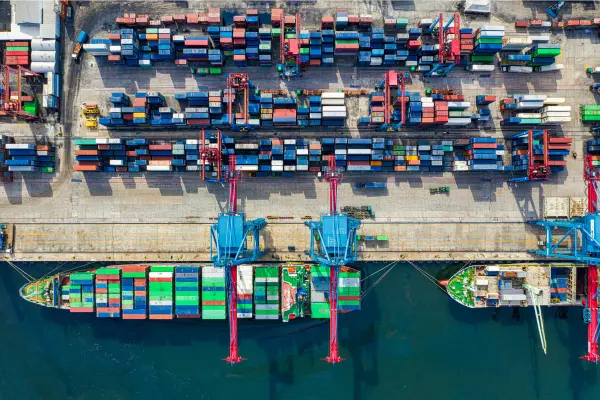
A bill of lading is a legal document that is issued by a carrier as proof that your goods have been received by the carrier. If you ask, “What is a bill of lading?”, then the easiest answer is that it is evidence that the cargo is handed over by the sender.
Furthermore, if you are wondering “What does a bill of lading mean?”, it basically sums up the terms of an agreement between you and the carrier during the shipment. As you will discover further in the blog, if you go deeper, the meaning of the bill of lading extends further than this.
Core Functions of a Bill of Lading
A bill of lading has several major functions during the shipment process. These functions assist you in having control, visibility and legal protection in the movement of goods. Its key functions are listed below:
- Receipt of Goods
- Certifies that the carrier received your goods under the prescribed conditions.
- As evidence of delivery, you are protected against claims of damage or deficits.
- Contract of Carriage
- Describes the contractual conditions between you and the carrier.
- Serves as a legally binding agreement when disputes occur in the future.
- Document of Title
- Defines ownership of the goods in transit.
- Gives you or other parties with authorisation to claim or transfer the cargo.
These functions collectively help to protect your cargo during transportation; hence, the bill of lading is a key instrument in logistics.
Key Information Included in a Bill of Lading
Each bill of lading has important shipment information that guarantees the arrival of the cargo at the correct destination. This involves the information of the shipper, receiver, description of cargo, quantity, weight and handling instructions.
In addition to fundamental information, there will be freight terms, carrier signatures, and tracking numbers. With these fields in place, you will be able to evade any needless delays and facilitate the tracking of the bill of lading easily.
Types of Bills of Lading
Negotiable vs Non-Negotiable Bill of Lading
| Feature | Negotiable Bill of Lading | Non-Negotiable Bill of Lading |
| Ownership Transfer | Ownership can be transferred by endorsement and delivery. | Ownership cannot be transferred; goods are delivered only to the named consignee. |
| Use Case | Common in international trade and letter-of-credit transactions. | Common for direct shipments where ownership is fixed. |
| Flexibility | Provides higher flexibility during cargo sale or financing. | Offers stricter control over who receives the shipment. |
| Claiming Shipment | Any legal holder of the BOL can claim the goods. | Only the specified consignee is allowed to claim the goods. |
Ocean, Air, Inland, Through & Multimodal BOL
Transportation of different types needs different bills of lading. The following breakdown will help you understand each type:
- Ocean Bill of Lading
- Applied to sea freight deliveries over international waters.
- Serves as a receipt, a contract of carriage and a title document.
- Air Waybill (Air BOL)
- Issues with air cargo delivery.
- Not to be negotiable, and is primarily a receipt and transport agreement.
- Inland Bill of Lading
- Applied to domestic truck or rail movements.
- Applicable to the first leg of a multimodal transit or individual inland consignments.
- Through Bill of Lading
- Registers consignments that go across various carriers or routes.
- Makes the documentation of cargo transport across multiple segments of transport much easier.
- Multimodal Bill of Lading
- A single shipment document will be used to send shipments managed under other modes (air + sea + road).
- Best when there is one logistics provider taking care of the whole trip.
These formats allow you to match documentation to the definite shipping method that your cargo needs.
Freight Prepaid vs Freight Collect BOL
| Feature | Freight Prepaid BOL | Freight Collect BOL |
| Who Pays Freight Charges | Shipper pays before the goods are dispatched. | Consignee pays upon receiving the goods. |
| Payment Timing | Charges settled upfront. | Charges settled at the destination. |
| Advantage | Reduces disputes and speeds up cargo release. | Useful when buyers prefer or agree to cover delivery costs. |
| Best For | Sellers want smoother document processing. | Buyers with negotiated terms that place freight responsibility on them. |
Bill of Lading Example
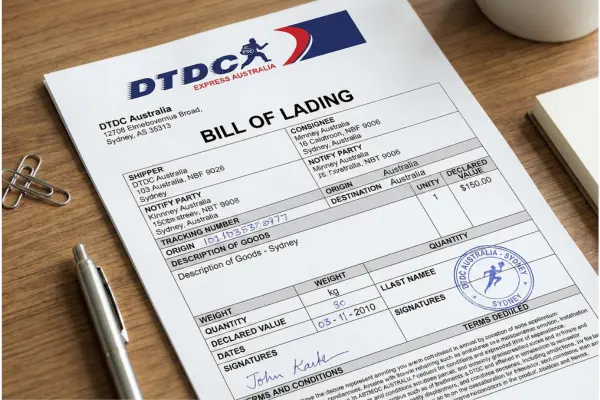
A typical bill of lading will contain sections such as shipper name, consignee name, carrier, cargo description, hazardous material declarations and terms of carriage. These areas make sure that all the parties in the shipping chain are in sync.
To gain a better understanding of the information structure and what each field refers to, it is better to see a sample bill. This clarity allows you to fill out your own BOL with a higher degree of accuracy and confidence.
Bill of Lading in Shipping: Why It’s Crucial
The role of the bill of lading in shipping is clear; it ensures your goods are safe, defines the roles and gives a legal edge in the situation when unexpected challenges occur. Accountability is ensured at every stage of transport with the use of this document.
In the absence of an effective bill of lading, goods cannot be delivered by the carrier, claims cannot be made by the consignees, and claims cannot be made by the insurers. This is why the bill becomes one of the most important documents that you will ever deal with in logistics.
Bill of Lading Tracking
Tracking the Bill of Lading enables you to track your shipment in real time. You just have to enter the BOL number in the tracking portal of the carrier to follow and track the progress of your shipment.
Proper tracking aids you in planning your inventory, preparing your custom documents, and detecting delays in time. This visibility brings confidence in your supply chain and keeps your customers updated.
Common Issues & How to Avoid Them
Even though you are able to handle your shipments in a proper manner, there may still be issues with the bill of lading that can interfere with the process.
- Wrong or mismatched shipment information.
- Mistakes in the description of cargo, weight or even quantity may cause delays or even disputes at customs.
- You should never dispatch the bill of lading without checking it against your packing list and commercial invoice.
- Missing, damaged, or misplaced papers.
- The BOL can be lost, particularly where there are more than two parties involved in the shipment.
- Always store electronic copies safely and distribute them to authorised parties.
- Late delivery of the bill of lading.
- Delay in documentation can cause a delay in the clearance of customs or the release of payments.
- Arrange with your freight forwarder in advance to make sure that they issue the document on time.
- Incorrect notify party details or consignee.
- Wrong receiver data can lead to delivery issues or release schedule issues.
- Check up all the contact information and finalise your bill of lading.
- Lack of adherence to carrier instructions.
- Rejection can happen due to missing signatures, missing documents or outdated templates.
- Adhere to the instructions of the carrier and work with the latest formats of all shipments.
You can avoid these problems and make sure your shipment passes without problems through all the logistics steps by being aware of the common issues.
Bill of Lading vs Other Shipping Documents
The bill of lading is a very important document, although it is frequently mixed up with other documents, such as the commercial invoice or the packing list. All of them have different functions and contribute to different stages of transportation.
These differences will allow you to control compliance, minimise errors and simplify documentation. The most important document is the bill of lading since it is a document that extends to legal, financial, and operational functions.
Importance of Bill of Lading in Trade
A bill of lading facilitates the secure exchange of payments and goods in international business. It protects the buyer by ensuring shipment according to the agreement with the seller, as well as providing the seller with evidence of transfer.
Trade finance is also supported by this document since the banks use it to issue payments through letters of credit. This is one of the reasons why knowing this will enable you to negotiate better terms and decrease risk.
FAQs
What is a bill of lading?
It is a legal document issued by the carrier that attests to the acceptance of the goods, the conditions of shipment, and the ownership.
What is a bill of lading in shipping?
It is the most important shipping paper, which serves as a receipt, a contract, and a title for goods that are being transported.
How do I trace a bill of lading?
You can trace bill of lading updates using the online portal of the carrier by entering the BOL number.
Why is bill of lading tracking important?
Tracking assists you in tracking cargo, scheduling operations and preventing untimely delays.
Can a bill of lading be changed?
Yes, but with carrier permission. Amendments should be in line with the original shipment.
Conclusion
A bill of lading can appear in the form of a mere document, but it has a very significant effect on shipping and international trade. The logistics of your business are under your complete control when you know what a bill of lading means, the types, and how it is tracked.
This is a guide that you should refer to each time you are making a shipment. You can prevent expensive errors and get all of your deliveries to the destination without any trouble, with proper knowledge.